
why self-compassion matters
Parenting is one of life's most rewarding journeys, but it can be incredibly demanding. Particuarly as today's society often places unrealistic expectations on parents, particularly mothers, to "do it all" and do it perfectly...
how being kinder to yourself benefits you and your family
Parenting is one of life's most rewarding journeys, but it can be incredibly demanding. Modern parents are often expected to "do it all," stay endlessly patient, recover quickly, and somehow enjoy every moment in between.
Many parents feel guilty for wanting time out for themselves, to exercise, rest or simply shower alone. They want space to be more than just a parent. It's not surprising the pressure can feel overwhelming!
Social media can magnify these pressures, offering endless picture-perfect moments that rarely reflect real family life. It's easy to compare yourself to curated snapshots of other families and feel like you're falling short. This comparison often fuels negative beliefs, that you're not doing enough, that you should cope better or that prioritising your needs is selfish (it's not).
However, research by Dr Kristin Neff, the leading expert on self-compassion, shows that being kinder to yourself reduces stress, improves emotional resilience, and supports healthier relationships - including the one you have with your children.
True strength as a parent doesn't come from meeting impossible standards; it comes from offering yourself the same care and understanding you show others.
the benefits of self-compassion
According to Dr Neff's research, people who practice self-compassion:
Have lower stress levels
Are less likely to experience anxiety or depression
Have greater emotional resilience
Experience more fulfilling relationships
Feel more satisfied with their lives
Feel more optimistic about the future
Self-compassion involves three key elements:
self-kindness
common humanity (remembering you're not alone)
and mindful awareness of what you're feeling.
When you practise these skills as a parent, you're also modelling healthy emotional habits for your children - showing them that looking after their inner world matters.
the cost of self-criticism
Have you ever asked yourself what your self-criticism is costing you? Research shows that it can:
Increase your stress levels
Diminish your sense of self-worth
Fuel shame and worthlessness
Undermine your confidence
Parenting is pressured enough already without adding a harsh inner critic to the mix! Self-criticism keeps your brain in 'threat mode', making you more reactive, less patient and more likely to feel burned out. Overtime this not only impacts your emotional health, but your physical health too.
Take a moment to think of a recent time when you've criticised yourself - maybe you lost your patience, forgot to do something important, or didn't have the energy to play with your kids.
Did that inner voice help?
Or, did it leave you feeling more stressed and disconnected?
reflection exercise
Grab a notebook and reflect on these questions:
What expectations am I placing on myself as a parent? Are they realistic?
How do I typically speak to myself when I make a mistake or feel overwhelmed?
Would I say the same words to a friend who was struggling? What would I say instead?
How do my stress and self-criticism impact my relationships at home?
Recognising these patterns is the first step toward shifting from self-judgment to self-kindness.
You can return to these journalling prompts whenever you're feeling stressed and overwhelmed.
the self-compassion pause
It's easy to overlook your needs in busy, stressful moments - especially when you're caring for a baby or young children. This quick and effective exercise can help you reset and show yourself kindness—even when time is limited.
Pause and notice: When you feel stressed, pause for a moment and notice your emotions without judgment. Acknowledge that it's normal to feel this way.
Offer yourself kind words: Silently say, "This is a moment of difficulty. It's okay to feel this way. I'm doing the best I can."
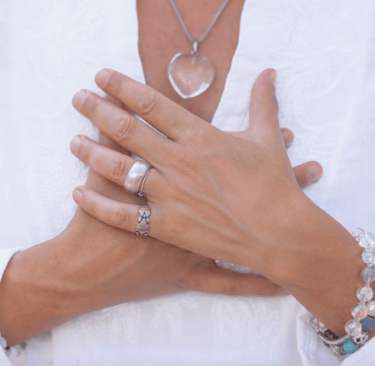
Place a hand on your heart: If it feels comfortable, hold it there or give yourself a gentle hug. Physical touch can trigger your body's calming response.
Breathe and let go: Take three slow, deep breaths, releasing tension as you exhale. Allow yourself to feel warmth and compassion toward yourself.
Why it works: This exercise activates the brain's care system, releasing oxytocin, the love hormone, and reducing cortisol, the stress hormone. It can shift your mindset from self-criticism to self-kindness in just a few minutes, helping you respond to challenges more calmly and clearly.
a gift to yourself and your children
Prioritising your wellbeing isn't selfish—it's essential! Learning to treat yourself with kindness means you will have more emotional space, energy and patience to share with your family.
Children learn by watching us and copying our behaviours. If they see you treating yourself kindly, they will learn to do the same - building a healthier emotional foundation for their future relationships. Your actions create a ripple effect that will touch more people than you can imagine.
practice self-compassion today
Grab yourself a cuppa and sit with these questions:
How might showing myself compassion improve my parenting and relationships?
What message do I want my children to learn from how I treat myself?
What small act of kindness can I offer myself today?
The next time you feel stressed or overwhelmed, remember: A small moment of kindness toward yourself can create a powerful shift - not just for you, but for the people you love most.
If you’d like more practical ways to reduce stress, support your emotional wellbeing, and make family life feel more manageable, I’d love to welcome you to the new life pause.
You’ll receive a short weekly email with simple strategies, science-backed insights, and compassionate reminders to help you feel more grounded. You'll also receive your free guide, Your Parenting Brain, when you sign up.

content disclaimer
The information contained above is provided for information purposes only. The contents of this article are not intended to amount to advice, and you should not rely on any of the contents of this article. Professional advice should be obtained before taking or refraining from taking any action as a result of the contents of this article. New Life Classes disclaims all liability and responsibility arising from any reliance placed on any of the contents of this article.
policies: website terms of use | privacy policy | cookie policy
© 2025 New Life Classes. All rights reserved.


based in the UK, supporting parents worldwide